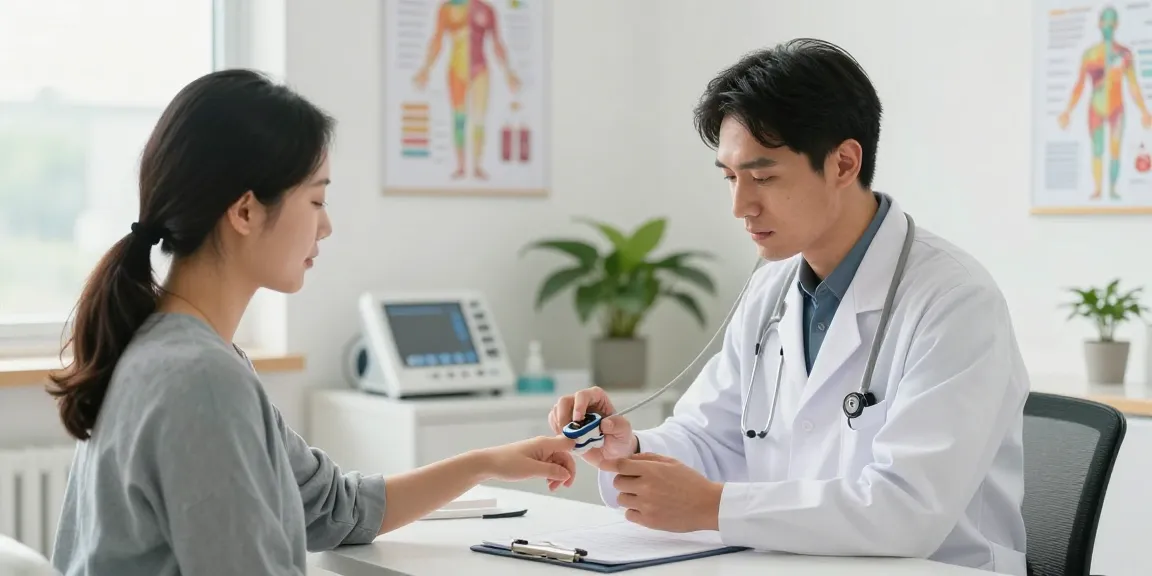
Understanding Pulse Oximeters
A pulse oximeter is a non-invasive medical device widely used to measure the oxygen saturation of a patient’s blood. This small, clip-like instrument typically attaches to a fingertip or earlobe and provides real-time data, crucial for monitoring patients with respiratory issues or those undergoing anesthesia. Understanding how pulse oximeters function and their importance in clinical settings can empower individuals to make informed decisions about their health. When exploring options, pulse oximeter features and specifications play a fundamental role in selecting the right device.
What is a Pulse Oximeter?
A pulse oximeter is an electronic device that measures the oxygen saturation level (SpO2) in the blood. Oxygen saturation refers to the percentage of hemoglobin binding sites in the bloodstream occupied by oxygen. This measurement is vital for assessing how well oxygen is being transported throughout the body. While pulse oximeters are often associated with hospitals, their portability and ease of use have made them popular for personal use. These devices are especially beneficial for individuals suffering from conditions such as chronic obstructive pulmonary disease (COPD), asthma, and other respiratory diseases.
How Pulse Oximeters Work
Pulse oximeters operate based on light absorption principles. They emit two wavelengths of light, typically red and infrared, which pass through a translucent part of the body, such as a fingertip. Oxygenated and deoxygenated hemoglobin absorb light differently; therefore, the oximeter calculates the ratio of red to infrared light absorbed as it transmits through the tissue. This calculation provides a reading of the blood’s oxygen saturation and pulse rate. Pulse oximeters can also offer insights into other health parameters, depending on the sophistication of the model.
Key Benefits of Using a Pulse Oximeter
- Non-Invasive: Pulse oximeters provide a quick and painless method to monitor oxygen levels.
- Portable: Most models are compact and easy to use, allowing for on-the-go monitoring.
- Immediate Results: Users receive real-time data, which is crucial in emergencies.
- Cost-Effective: Compared to other medical monitoring tools, pulse oximeters are relatively affordable.
- Home Monitoring: They enable patients with chronic conditions to track their health and avoid hospital visits.
Choosing a Pulse Oximeter: What to Consider
When selecting a pulse oximeter, several factors come into play, including accuracy, features, and intended use. Understanding these aspects can significantly enhance the user experience and ensure that the device meets specific health monitoring needs. From home use to medical-grade applications, the variety of options available can be overwhelming, and informed choices make all the difference.
Important Features to Look For
Not all pulse oximeters are created equal; thus, it is crucial to know what features are essential for optimal usage. Key features to consider include:
- Display Quality: A clear, easy-to-read display is vital for quick interpretation of results.
- Battery Life: Longer battery life ensures that the device is ready when you need it.
- Accuracy Ratings: Look for devices that have been clinically validated for accuracy.
- Additional Features: Some oximeters offer Bluetooth connectivity, allowing data syncing with smartphones or other devices.
- Size and Weight: A lightweight, portable design enhances usability and convenience for users on the go.
Common Misconceptions About Pulse Oximeters
Despite their prevalence, several misconceptions surrounding pulse oximeters persist. For instance, many believe that these devices can diagnose medical conditions, while they only provide data to assess oxygen levels. Another common myth is that any reading is acceptable; however, normal SpO2 levels typically range from 95% to 100%, and readings below 90% may indicate a medical emergency. Understanding these misconceptions is critical for proper utilization.
Differences Between Home and Medical-Grade Devices
Home pulse oximeters are generally designed for convenience and ease of use, providing adequate accuracy for personal health monitoring. In contrast, medical-grade devices are subjected to strict regulatory standards and calibrated for higher accuracy and reliability under clinical conditions. Users should consider their specific needs when selecting between the two, as the stakes are higher in a medical setting.
Analyzing Pulse Oximeter Accuracy
The accuracy of pulse oximeters is a focal point of consideration for both consumers and healthcare professionals. Knowing how to interpret measurements and understanding the factors that impact accuracy significantly enhances user experience and health outcomes.
Factors That Affect Measurement Accuracy
Several factors can influence the accuracy of a pulse oximeter, including poor circulation, skin pigmentation, and movement during measurement. Additionally, nail polish, artificial nails, or excessive light can interfere with readings. Users should ensure proper positioning and follow guidelines for optimal usage to obtain accurate results.
Clinical Studies on Pulse Oximeter Reliability
Numerous clinical studies have been conducted to assess the reliability of pulse oximeters under various conditions. Research indicates that while most consumer models perform adequately for home use, discrepancies can occur in patients with darker skin tones or conditions affecting blood flow. Understanding these nuances can help users better interpret their readings and consult healthcare providers when necessary.
Real-World Accuracy: Patient Experiences
Patient experiences can vary significantly based on device quality, usage conditions, and personal health profiles. Users often report feelings of reassurance when they can monitor their oxygen levels conveniently. However, it is crucial that individuals recognize the limitations of pulse oximeters and not solely rely on them when seeking medical assistance.
Best Practices for Using a Pulse Oximeter
Using a pulse oximeter correctly is essential for obtaining accurate readings. Familiarizing oneself with proper usage techniques can make a significant difference in the effectiveness of the device.
Step-by-Step Guide to Proper Usage
- Ensure the device is clean and in working order.
- Choose a warm, clean finger to attach the device, avoiding cold extremities.
- Stay still and calm while the readings are taken, as movement can cause inaccuracies.
- Wait a few seconds for the device to stabilize and provide a reading.
- Record the reading along with the date and time for ongoing health monitoring.
Interpreting Results: What the Numbers Mean
Pulse oximeter readings typically present two key figures: the SpO2 level and the pulse rate. An SpO2 reading of 95% or higher is considered normal, while values below this threshold may require medical attention. Understanding what constitutes a normal range can empower individuals to take action when necessary.
When to Consult a Medical Professional
It is vital to consult a healthcare provider if your pulse oximeter consistently records low SpO2 levels or if you experience symptoms such as shortness of breath, confusion, or rapid heartbeat. These could indicate underlying health issues that require immediate attention. Regular communication with a healthcare provider can assist in creating a comprehensive health monitoring plan.
Future Trends in Pulse Oximeter Technology
The field of pulse oximetry is rapidly evolving, with advancements in technology poised to enhance functionality and user experience. Staying informed about these trends can help consumers make smarter choices in their health management.
Emerging Innovations in 2026
By 2026, pulse oximeter technology is expected to integrate more advanced sensors and artificial intelligence, improving accuracy and predictive capabilities. Emerging models may offer additional features, such as multi-parameter monitoring that includes heart rate variability and blood pressure, all packaged in a single, easy-to-use device.
Potential Impact on Patient Care
As pulse oximeters become more sophisticated, their role in patient care may shift dramatically. Enhanced accuracy and new functionalities may enable healthcare providers to monitor patients remotely, thereby improving chronic disease management and potentially reducing hospital admissions. The integration of telehealth services will further support this trend.
Expert Insights on Future Developments
Industry experts predict that future pulse oximeters will harness machine learning algorithms to refine data interpretation and provide personalized health insights. This evolution could transform how patients and healthcare providers interact with health data, paving the way for smarter healthcare solutions.
What Should Patients Expect?
Patients should expect continuous improvements in the technology governing pulse oximeters. Increased accessibility to advanced features could lead to enhanced patient engagement in managing their health. With ongoing advancements expected, a familiarity with emerging technologies can help users better adapt their health strategies and make informed decisions about their monitoring tools.